
How Do I Check My Vents for Visible Mold Growth? Understanding Your Home’s Air Quality
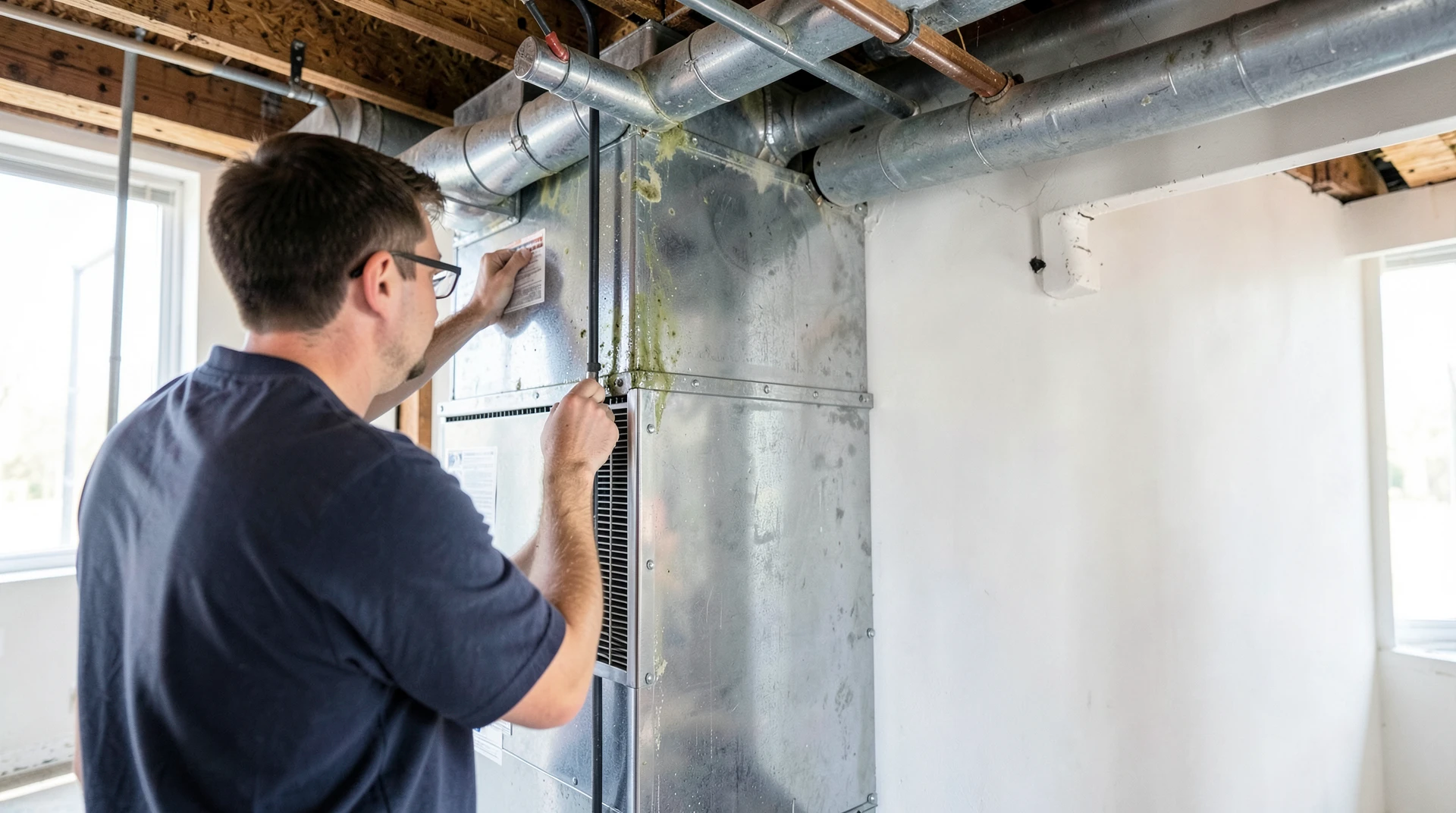
Finding potential mold is stressful enough. When that worry focuses specifically on your home's ventilation system-the vents meant to keep the air flowing and clean-it can feel overwhelming, leading many homeowners in Bordeaux and surrounding suburbs to ask: how do i check my vents for visible mold growth? While it’s natural to want to take action immediately, I want me to start by advising you that your initial inspection is only step one. My specialization, covering complex air quality issues within HVAC systems, has taught me something crucial: the surface signs are often the least concerning part of the story. Mold contamination rarely announces itself with fuzzy patches on a grate; it’s usually a sign of an underlying moisture problem-a structural failure that needs expert attention to truly restore your home's safety and integrity.
Answering the Critical Question: How Do I Check My Vents for Visible Mold Growth?
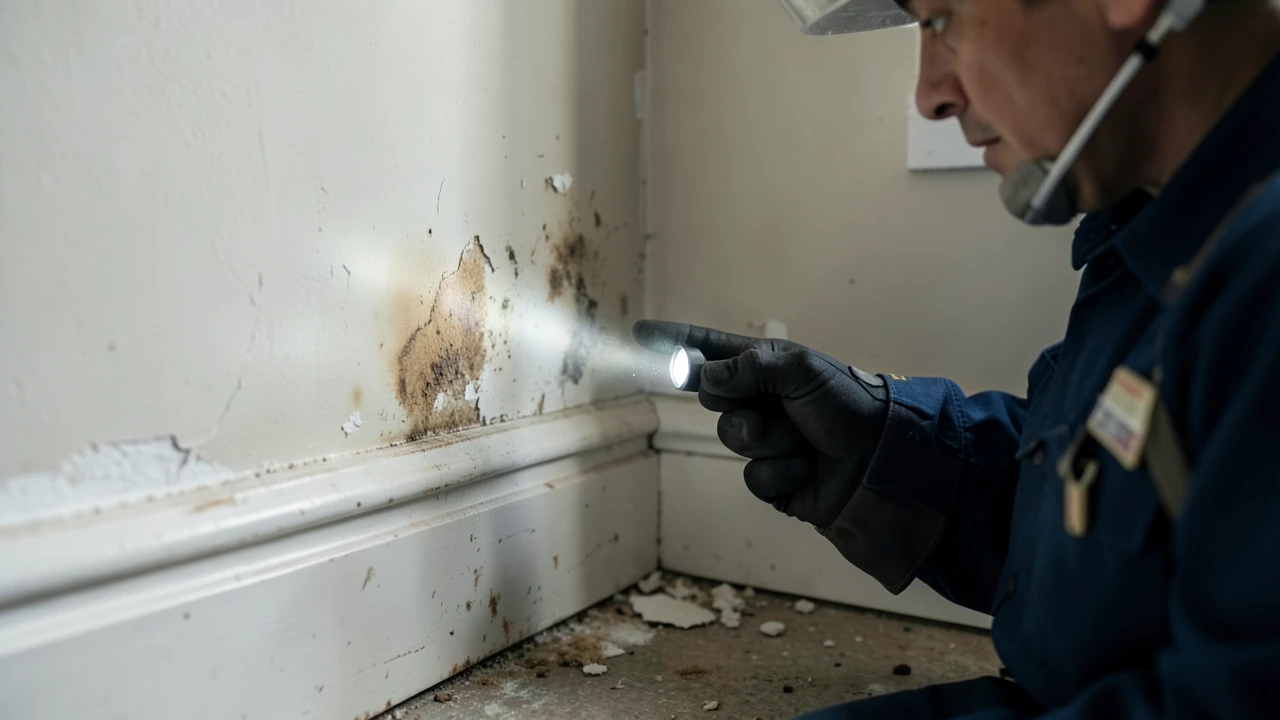
If you are dealing with visible concerns, approaching the inspection methodically is essential. Your goal isn't just to find mold; it's to identify where the moisture might be pooling or accumulating near the vents. We must always start with safety first. Before you begin any physical inspection, ensure proper ventilation and wear basic protective gear-an N95 mask, gloves, and ideally eye protection-to minimize spore exposure while you are investigating.
When conducting a visual check, your focus should narrow down to specific areas. First, look at the exterior surface of the vent grates themselves. We are looking for fuzzy patches, any dark discoloration (black or green), or even a slimy residue that could indicate rapid biological growth and sustained dampness. However, I want you to remember this: identifying indirect signs is often more revealing than finding mold directly on the metal grate. If visible mold isn't present on the vent itself, check surrounding areas-the area around the vents often shows evidence of moisture issues first. Look for peeling paint near baseboards, damp drywall corners, or any condensation pooling repeatedly near fixtures like sinks or laundry machines. These are critical clues pointing to a failure in your home’s moisture dynamics.
Crucially, you must understand the limitations of this process. Visual checks are only for surface signs. The most dangerous mold contamination is invisible; it can be deep within ductwork, sealed behind structural materials, or embedded in insulation. To put this into perspective, I once inspected a beautiful older home near Belle Meade where the visible vents looked pristine. However, when we opened up a wall cavity, we found decades of trapped moisture and significant mold growth that was completely inaccessible to any surface inspection. This is why professional testing is non-negotiable if you suspect deeper contamination.
Beyond the Sight: Why Vents Are Only Part of the Story in Mold Remediation
As an expert specializing in air quality management, I must stress this point repeatedly: the visible mold growth in your vents or on surfaces indicates a failure in your home's core moisture dynamics. It is not the mold itself that is the problem; it is the source allowing it to persist. Our entire focus as professional remediators shifts immediately from cleaning the symptoms to identifying and fixing the root source-be it a structural leak, poor ventilation design, or an overlooked plumbing flaw.
Understanding HVAC risks requires specialized knowledge because our biggest often overlooked threat is condensation buildup within your ductwork itself. This isn't something that can be checked with a flashlight; it requires specialized inspection tools to assess internal humidity levels and material integrity. Mold doesn’t just appear; it follows the path of least resistance, and poor air sealing or structural dampness creates ideal airflow patterns for spores to thrive. Professional remediation addresses this by not only cleaning but also sealing and optimizing air circulation throughout your entire system.
It is vital that you recognize the difference between simple mold cleanup and true mold remediation. Simple clean-up merely handles the visible growth, treating it like a surface stain. True mold remediation requires us to assess the underlying moisture source-like addressing a roof leak or repairing a burst pipe-and implementing permanent structural fixes. This holistic approach means we are not just cleaning; we are restoring your home's ability to breathe safely and sustainably.
When DIY Isn't Enough: Identifying Invisible Mold Threats in Your Home’s Structure
If you suspect the problem goes deeper than what is visible, please understand that professional intervention is necessary. The most costly contamination often happens behind walls, under flooring, or deep within attic structural components. These are areas that can hold significant amounts of moisture and mold that are completely inaccessible to a homeowner's visual inspection, regardless of how diligent you are when trying to determine how do i check my vents for visible mold growth?
If you have persistent musty odors even when your vents look clean, professional testing is required. We use specialized sampling methods-not just looking at the surface but scientifically analyzing air quality, moisture levels in structural materials, and HVAC components for specific mold species and spore counts. This level of analysis provides definitive data, allowing us to pinpoint exactly what we are fighting.
A critical element that often gets overlooked is addressing source control. Remediation isn't merely removal; it’s about making sure the conditions never allow the mold to return. If the moisture can get in-whether from high seasonal humidity or structural seepage-the mold will simply reestablish itself. We look at long-term solutions like dehumidification systems and vapor barriers, which are especially common concerns in areas with unique regional building dynamics, such as those found around Oak Hill.
Furthermore, because your air ducts are literally part of your home's breathing system, they must be treated as potential contamination zones requiring specialized attention. Specialized duct cleaning and inspection is crucial to ensuring clean air throughout the entire house-a process far beyond what a DIY effort can manage. I remember speaking with a homeowner who had been concerned about a persistent smell for months; after we tested the ducts, we discovered that condensation buildup in the HVAC system was creating a constant reservoir of mold spores, making the issue invisible to anyone standing in the room.
Restoring Peace of Mind: The Step-by-Step Process After Finding Mold
The process of remediation can feel scary because you are facing unknowns-cost, time, and structural impact. We aim to make this journey as clear and non-disruptive as possible. Our first priority after identifying mold is immediate containment. We establish crystal clear, contained work zones to prevent cross-contamination, protecting your expensive finishes like hardwood flooring or custom drywall during the entire remediation process.
The professional scope of work you can expect involves physical removal of contaminated materials (like affected sections of drywall and insulation), followed by rigorous HEPA vacuuming using specialized equipment. We then apply specialized anti-microbial treatments applied by trained experts. I want to assure you that we believe in transparent pricing: we provide a clear, comprehensive scope of work upfront so there are no surprises regarding structural remediation costs or the overall project timeline.
After the mold is removed and the source of moisture has been fixed (which is key!), we perform final air quality testing. This step provides definitive proof-the 'peace of mind guarantee'-that your home has returned to a safe, healthy living environment, exceeding simple clean-up standards. To avoid repeating this stressful cycle, every comprehensive remediation plan includes actionable steps for long-term maintenance, such as recommending dehumidifier installation or specific HVAC filtration upgrades that stabilize humidity and air quality year-round.
Securing Your Home’s Air Quality: When to Call a Local Mold Expert
Ultimately, the decision point comes down to whether an issue is cosmetic or if it presents a genuine health risk. If you or your family members are experiencing unexplained respiratory distress, chronic coughing, persistent musty smells that linger even after airing out, this is not just a surface cleaning concern-it's a health risk assessment that requires immediate professional attention.
As neighbors serving Bordeaux and surrounding communities like Charlotte Park and Forest Hills, we understand the unique moisture challenges posed by local structures and regional building materials. Our deep knowledge of these specific areas helps us pinpoint hidden sources others might miss. When you attempt DIY remediation, there is always a risk of incomplete cleanups or, worse, structural damage that is exponentially more expensive than professional service.
We don't ask you to guess on cost or scope; we offer clarity. The most reliable first step-and the one that gives you peace of mind-is calling us for a complimentary inspection. We will guide you through exactly what you should be looking for when attempting how do i check my vents for visible mold growth? and, critically, determine if your situation requires simple surface cleanup or full-scale structural remediation to safeguard your family's health for years to come. Call us today at 877-547-0723 to start your path toward a healthy home environment.